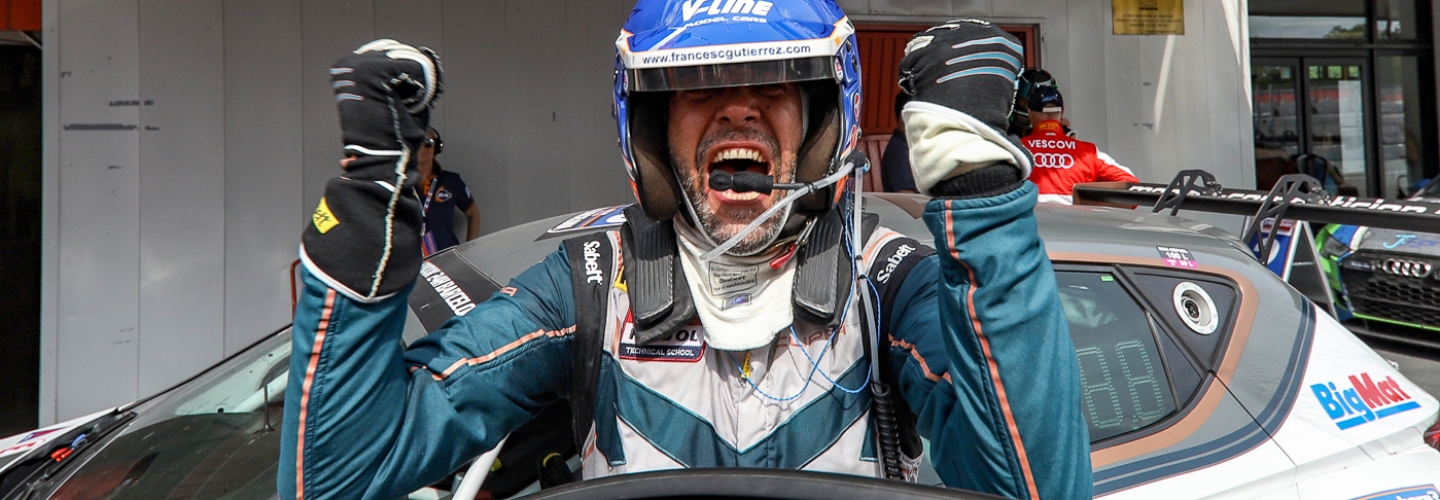
“In 2008, I won because I was in a big professional team with a really good car. Also, that year, I’d done a full year in the Supercopa SEAT Leon, so I had a lot of kilometres with that car. The first win is always special, and 1998 was also a surprise because we were a small team: throughout the race, we just kept thinking, ‘okay, we are here, we are leading, but maybe something will happen…’ 10 years later, the win was still very special, but it felt completely different because PCR Sport was a lot more professional.”
As in 1999, while Francesc couldn’t replicate his win from the previous year, he was back on the podium with two of his three fellow winners in 2009, he, Palencia, Puig and 2005 race winner Manel Cerqueda Diez this time finishing 3rd. By 2009 though, regional fascination in Montmeló’s 24-hour motor race was wearing thin, the growing expense of hosting the event, ‘thanks’ to a worldwide recession, and SEAT’s dominance leading to dwindling grid numbers and tepid interest from teams. By November 2009, the plug had already been pulled on the 2010 edition.
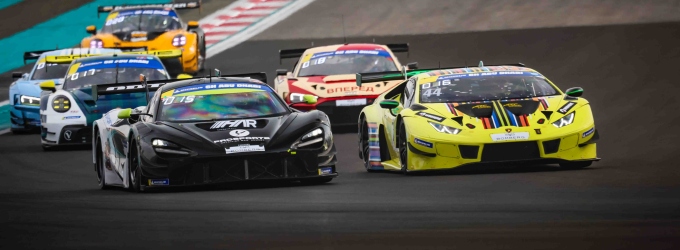
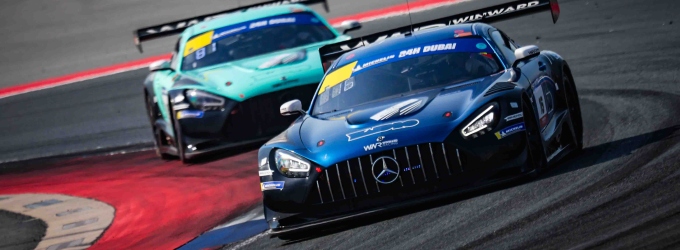
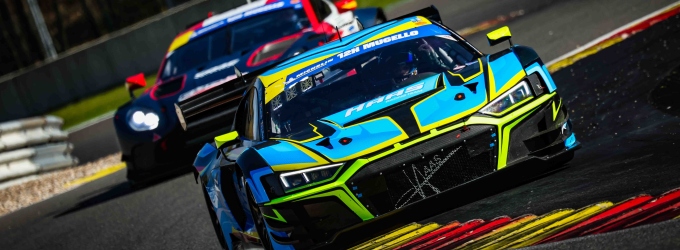
Salvation however arrived just one year later with Dutch promoter CREVENTIC, who, using its proven model for the 24H DUBAI, revived, and rejuvenated, Los 24 Horas for 2011. No longer an event exclusive to touring cars and Spanish teams, the newly renamed ‘24H BARCELONA’ welcomed teams from all over Europe, Asia and even Australasia, opening up the class structure to include GT cars for the first time.
It worked. Just 28 teams had turned out for the 2009 race. In 2011, more than 40 were on a grid headlined by reigning 24H DUBAI winner, Schubert Motorsport. Then-reigning MotoGP champion Jorge Lorenzo (Francesc was his instructor and coach for the race) and future five-time Dakar Rally winner Marc Coma made their 24-hour track debuts, and a chap called Tom Coronel, who’s done one or two races in the World Touring Car Championship, ended up finishing on the podium.