News | September 22, 2025

Creventic Outlines Sporting And Technical Regulation Changes For 2026

Series of adaptations designed to enhance racing and help reduce budgets
Words - Marc Orme , Images - Nico Mombaerts
share this content on:

•    New regulations to be implemented ahead of December’s Michelin 12H MALAYSIA 
•    Changes to sporting regs such as driving times, minimum tyre stints and penalties
•    Handful of technical adaptations include fire extinguishers and data loggers
•    Several technical differences agreed for 992 class Porsche 911 GT3 Cup cars 

Gennep, Netherlands (22 September 2025):
Adaptations to both the 2026 Sporting Regulations and Technical Regulations of the Michelin 24H SERIES will come into force ahead of December’s Michelin 12H MALAYSIA, organisers Creventic have confirmed today. 


The majority of changes implemented for next season are within the Sporting Regulations, with a raft of amendments to minimum and maximum driving times, linked to the actual stints as well as the ability to score championship points. Additionally, there are some tweaks to penalties, the use of tyre blankets and a notable change to start grids.


For the new season, the Michelin 24H SERIES App will be the official means of communication between Creventic race officials and competitors and teams. It will be imperative for each squad’s team manager to stay up to date with any communication which is carried out via the App.

Key amendments to driving times for next season

From December’s visit to Malaysia the minimum combined driving time for AM-Spirit and AM drivers together in relevant classes, such as GT3-AM and 992-AM, has been increased to one sixth (1/6) of a race’s duration. The maximum stint time for a driver has also been increased to two hours and 30 minutes, allowing a full double stint on a single set of tyres – even with a short CODE 60 period.


Another revision is the maximum driving time which has been set at four hours in any six-hour period. This also applies to those competitors who are driving as part of multiple entries on any given race weekend.


In order for a driver to be eligible to score championship points, they must have completed at least two racing laps in each event they contest. Creventic has settled on this change to prevent a line-up which runs the whole season together from occupying multiple positions in the standings.


At the outset of a race, any drivers required to start the encounter from pitlane will see the clock begin on their stint time when they have actually left pitlane after the race time has begun. There is also a change to minimum laps in night practice sessions. Only AM-Spirit, AM or AM+ graded drivers must complete at least two laps – this no longer applies to PRO or SEMI-PRO.


If a stint length of a tyre used is less than 50 minutes, and the race was under CODE 60 conditions when the car entered the pitlane, the tyre cannot be changed. The only exception to this is if the car is moving from slicks to wets, or the opposite way round. There is no stipulation when changing wets for wets.


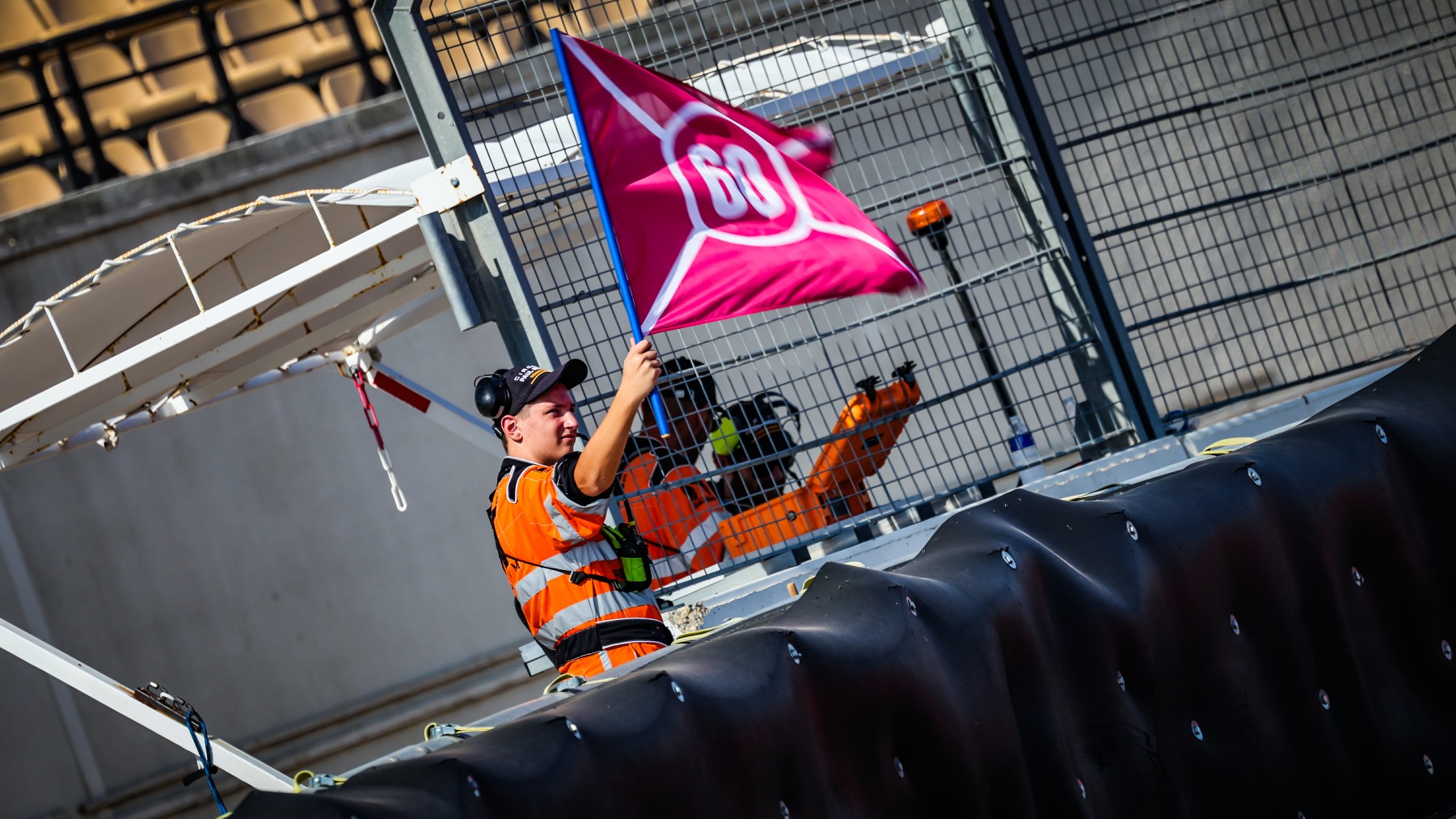
Furthermore, during a CODE 60 period, if a driver change is executed then a minimum CODE 60 lap time may be added to the maximum stint and driving times, if otherwise these would be exceeded. Decisions on the additional time will be defined by the organisers per circuit. 

Raft of other Sporting Regs changes including time penalties

Where the application of penalties is concerned, there are two main changes for next season. Any small time penalties, less than 10 seconds, will no longer be required to be served during the race itself and can be added to the race time at the chequered flag if the sum of all penalties is less than a combined 10 seconds.


If, at the end of a race, the sum of all penalties accrued by any given entry is over 30 seconds then this must be served before the end of the encounter. Should any team not heed this new part of the regulations, the penalty will be doubled and added to the overall race time. If the sum is less than or equal to 30 seconds, this can be added to race time rather than being served during the race.


Tyre blanket usage is being tightened by organisers, with teams no longer to be permitted to use them in between each of the qualifying sessions on any given race weekend and nor will warmers be allowed on the start grid prior to a race.


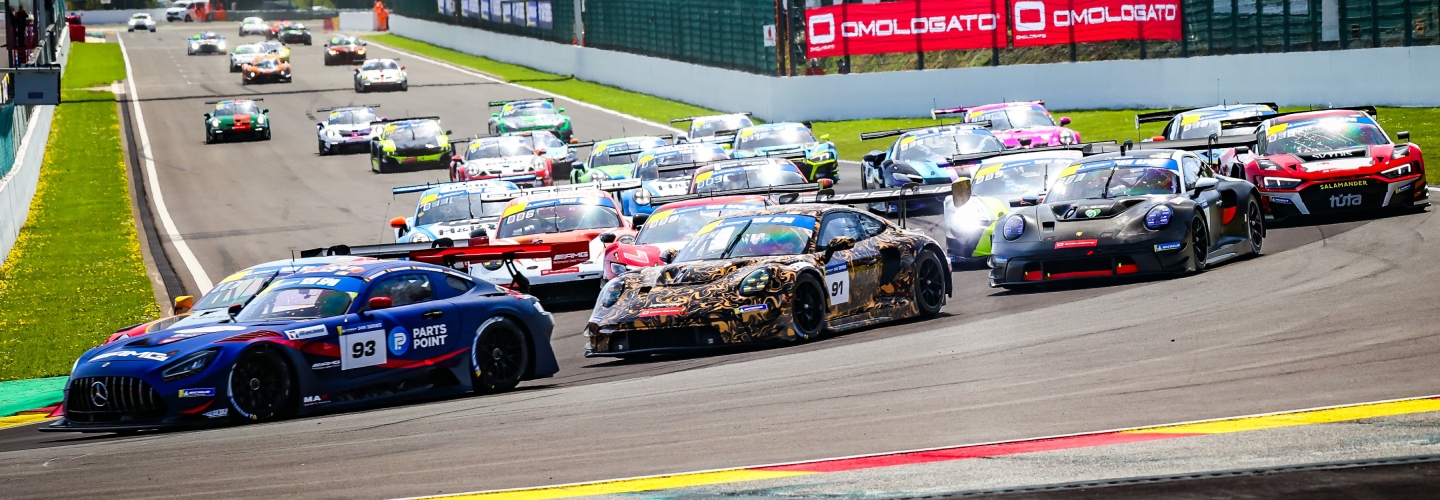
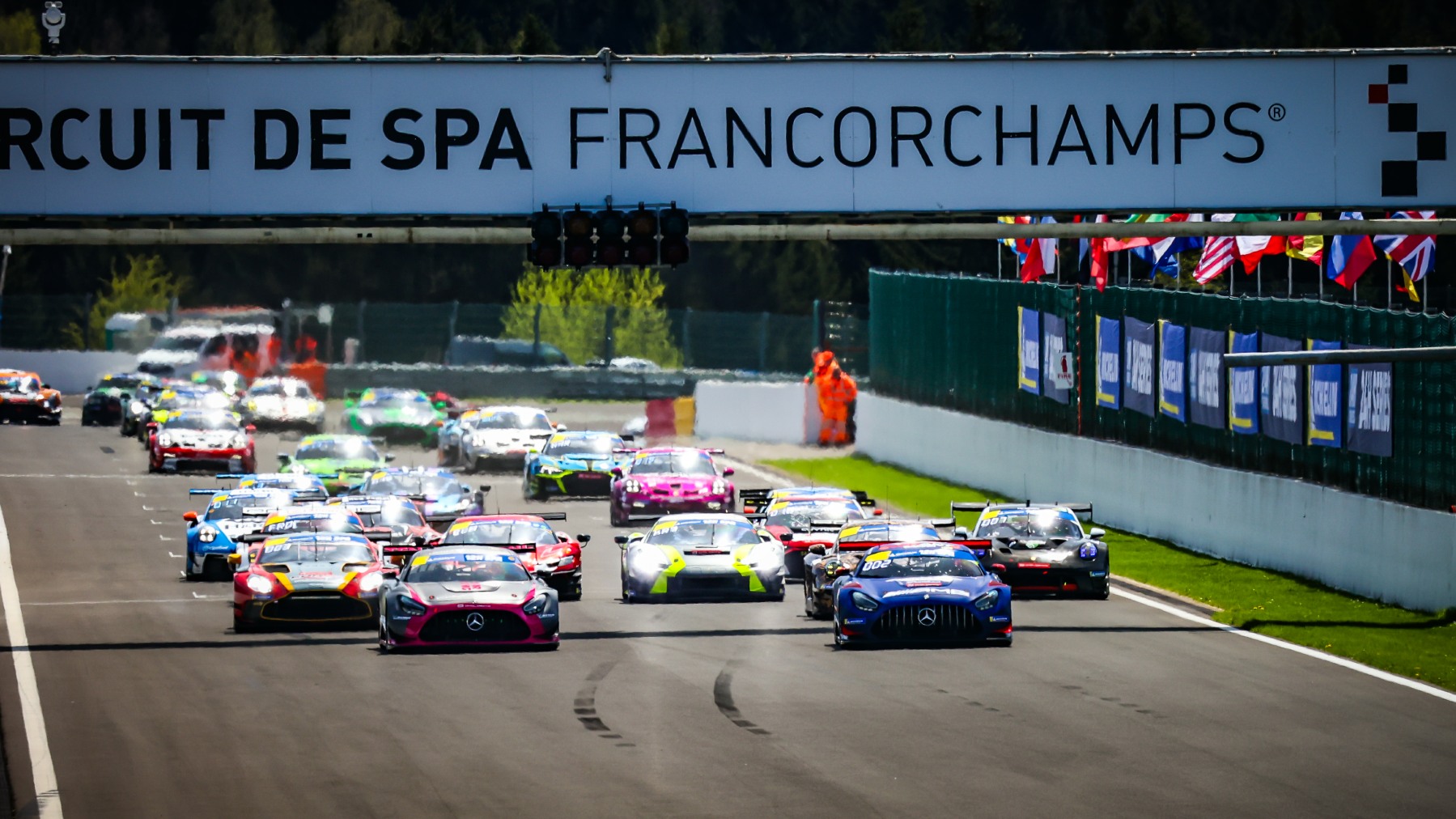
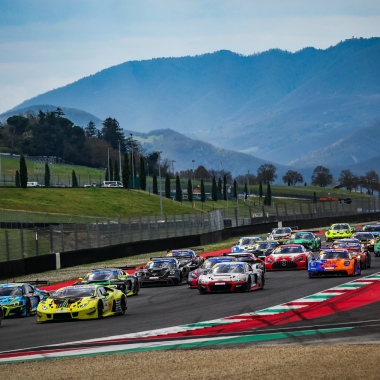
Start grids will be arranged by class, so rather than the current format where times achieved in qualifying determine the overall grid position fastest to least quickest no matter the class, in the 2026 regulations grid order will start with all GT3 entries, then GTX, 992, GT4 and TCE-TCX.


If a team wishes to utilise a start number which is outside the range defined for their particular class, an official request must be made to Creventic in advance and permission sought. Should a team opt to or need to submit a change of the class they are contesting, this must be made no later than three hours before the published race start time. 


Should a qualifying session be determined ‘wet’ at a particular event, the rules governing tyre changes have now been clarified for 2026. From the point at which a session is declared wet by officials, changes of tyres will be allowed for all of the remaining qualifying periods. 


There have been additional clarifications made to the procedure for cars which encounter problems ahead of the second part of a split race, and during such radio batteries are now permitted to be removed after part one and replaced before part two. Also, the mirrors of a car can now be adjusted in a pit stop by driver assists and those drivers involved in the specific driver change.


Any cars which do not take part in a compulsory promotional activity – for example, the parade of race cars to Malmedy during the Michelin 12H SPA – will be placed under Parc Ferme conditions for the duration of said promotional period.


For the 992-AM class a new Balance of Performance option is being brought into use for those entries which feature multiple AM+ graded drivers. Finally, the former Ladies Cup division is being discontinued after the end of the current 2025 season.


Minimal but important revisions to Technical Regs

Of nine changes to Technical Regulations for next season, four of them are exclusively focused on the 992 class for Porsche 911 GT3 Cup (992) cars. The actual regulations which cover the 992 cars and their competition in the Michelin 24H SERIES will be based on those which govern the FIA Formula One World Championship-supporting Porsche Mobil1 Supercup.


As previously announced, modified brake cooling is not permitted and only the Manthey fuel filler neck for filler gun use may be used. Added to this, wheels used must be according to those stated in the Porsche Mobil1 Supercup regulations.


The five remaining technical revisions, covering all cars and classes in the MICHELIN 24H SERIES, include – extremely importantly – a change to only FIA Standard 8865-2015 fire extinguisher systems being permitted.


Both Evo 5 and Evo 6 versions of the AIM datalogger are allowed, and required when specified in publication of Balance of Performance gradings. Additionally, for cars which have a mandatory Pboost sensor they will now have a specified location outside the engine bay in order to prevent damage to the sensor from heat and/or vibrations.


Specified in the new regulations are determined locations of the various roof antennas which are required, and for FIA Group E-II SC cars which were not designed to run with a window net, and which have head and/or armrest construction which effectively performs a similar function, the window net will not be required – at the Chief Series Scrutineer’s discretion. 


Casper de Kort, Sporting and Technical Coordinator at Creventic:
“With these updates to both the Sporting and Technical Regulations we aim to maintain the well-established platform of fair competition, take a further step with safety, and provide additional clarity for all teams ahead of the 2026 season. 


“The adjustments, particularly around driving times, tyre usage and key technical items are designed to enhance both the racing experience and operational consistency across all classes. We believe that the changes will help to reduce budgets required, opening the series to a wider group of teams and drivers which means deeper fields and more competition.”


For all the latest news from the Michelin 24H SERIES European Series and Michelin 24H SERIES Middle East, visit www.24hseries.com 

share this content on: