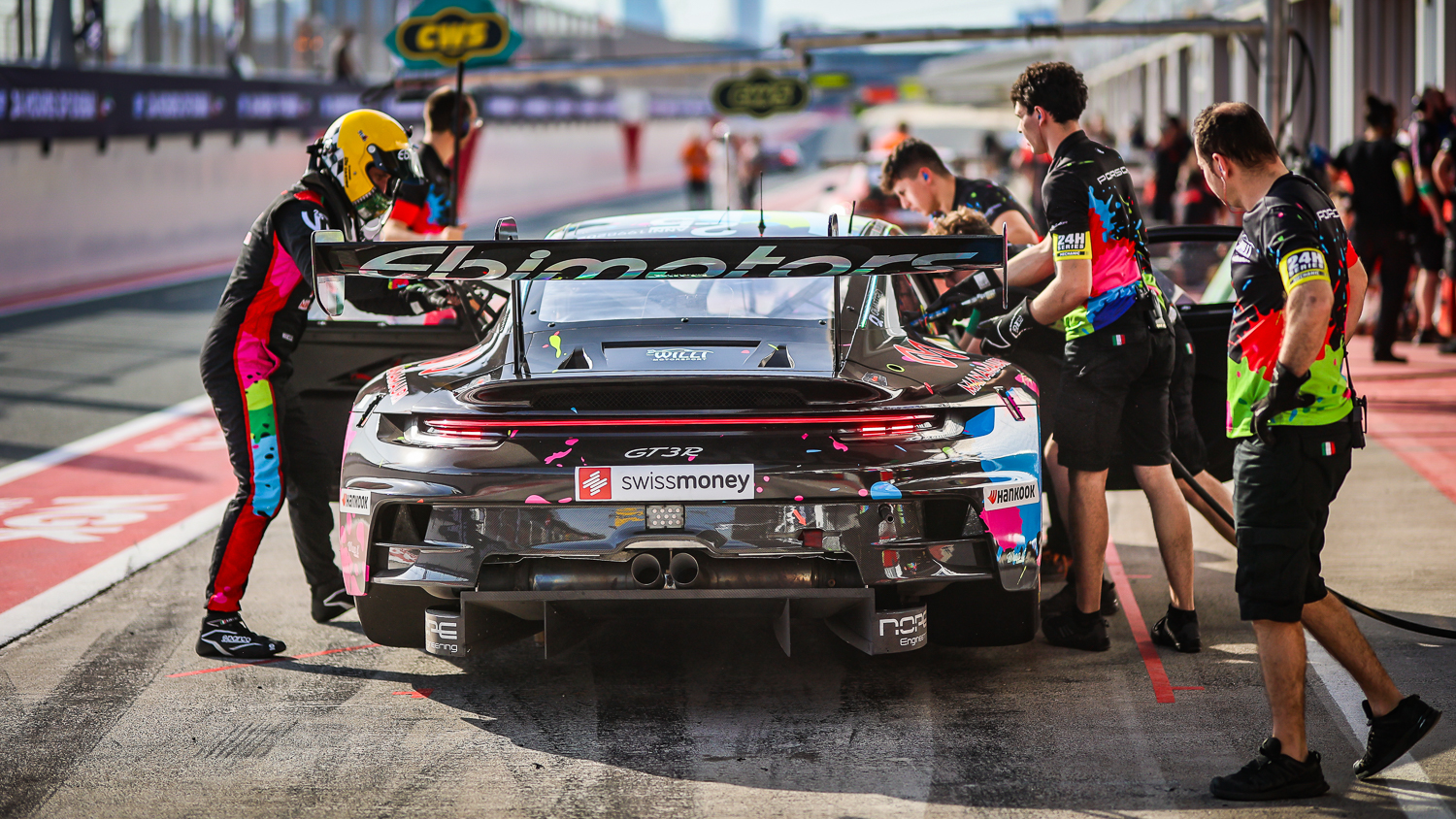
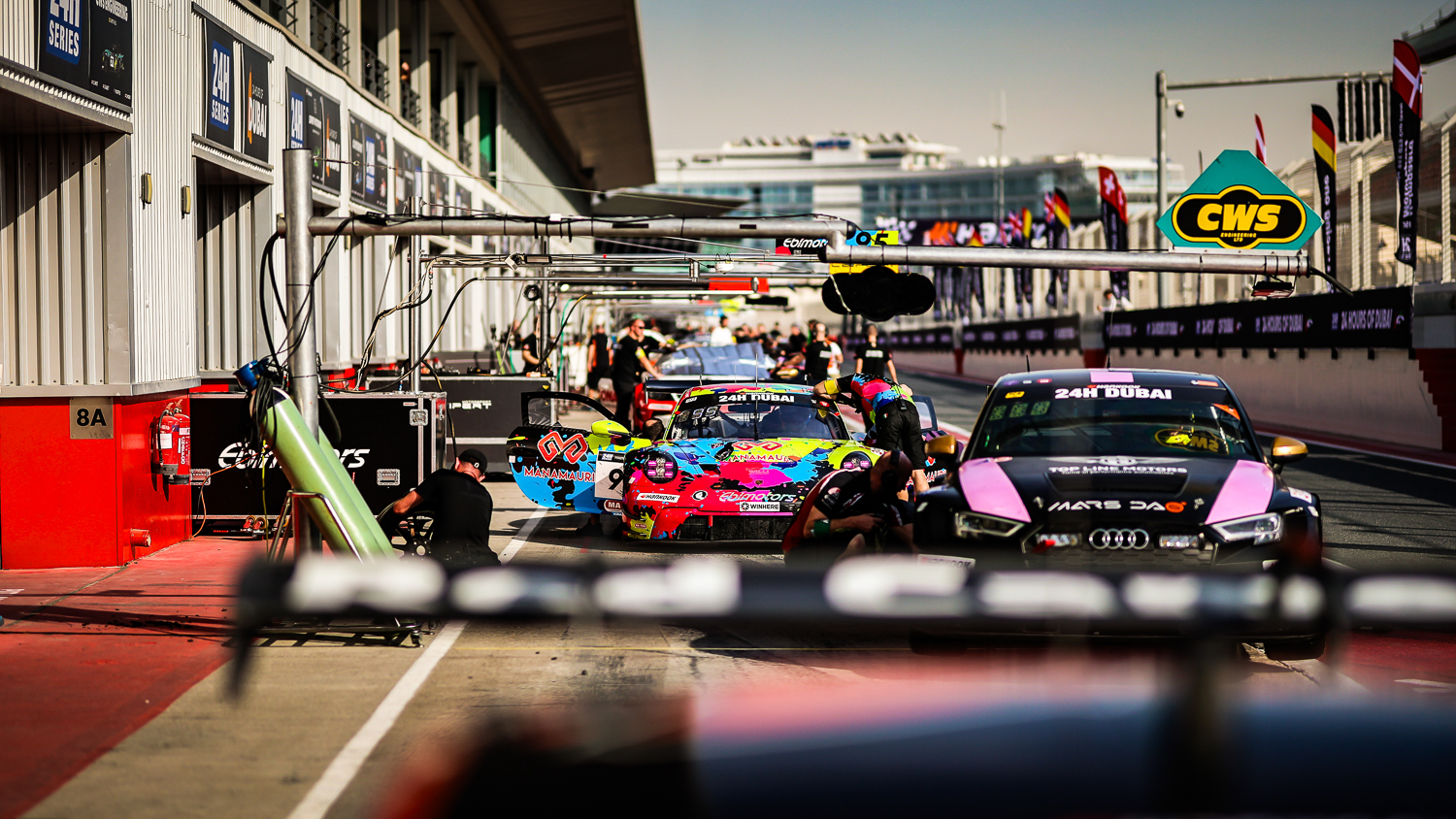
A big part of that pitwall strategizing relies upon every member of the team doing their job, and none more so in the many pit stops we see across such a long distance event. What's fascinating about pit stops is that there are always many ways that things can be done more efficiently and therefore better. There are so many variables that can come into play that you could even call is a high-speed game of chess.
For instance, the order in which the wheels are changed can shave time from the stop. An efficient order of operation means that the distance a mechanic has to move around the car is less than the total distance around the car (starting at the front-right corner and finishing at the rear-right tends to work best if a team has to do this with just one lone crew member). It all depends on the circumstances and of course the pit stop rules and regulations.
Watching a well drilled pit stop, to me, is like watching a beautifully choreographed ballet. Working in close proximity to each other without colliding and increasing the stop time is tantamount to a scene from Swan Lake.
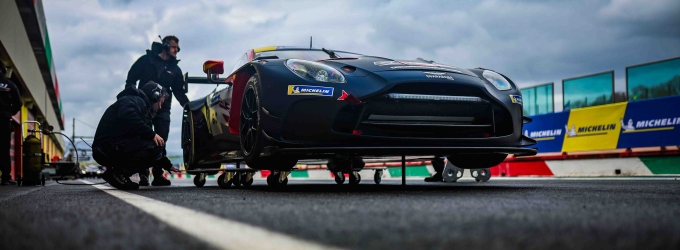
Reducing the ‘lifting’ and ‘carrying’ and ‘standing still’ elements of a pit stop can be as simple as having tyres placed in readiness for the arrival of the car wherever the rules allow. Or having the tools required, such as mounts to sit wheels, in the right place, enabling the mechanics to grab the wheels from waist height.
Ergonomics and physical fitness play an important part too. Mechanics have to be enormously fit, and strong enough to work with relative ease and, of course, speed.